


Heavy Copper PCBs

Why Use Heavy Copper PCBs?
The goal of any PCB project is to design the board correctly from the start. Later changes can increase cost and delay production.
Heavy copper PCBs are used when a board needs to carry higher current. As the power requirement increases, the copper thickness must also increase. Thicker copper traces help transmit current more safely and improve heat control. This is why heavy copper PCBs are common in high-current and high-power designs.
What Is a Heavy Copper Printed Circuit Board?
A heavy copper PCB contains at least 1 oz copper and can be built with thicker copper weights as required. These boards are designed for higher current carrying capacity and improved thermal performance.
By comparison, a standard PCB typically uses up to 1 oz copper and is suitable for general electronic applications.
Applications for Heavy Copper PCBs
Heavy copper PCBs are commonly used in high-current and high-power electronic applications. They help support power distribution, heat control, and reliable current transmission.
Common industries include:
- Industrial control
- Power electronics
- Oil and gas equipment
- Solar energy systems
- Communication equipment
- Server and AI server systems
The required copper weight depends on the current, power, and thermal requirements of the PCB design.
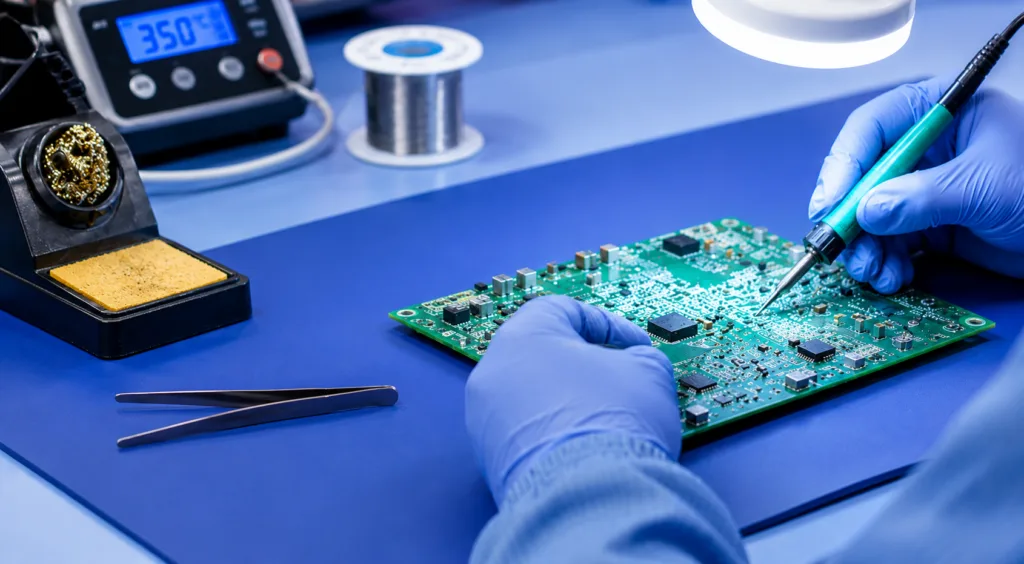
Heavy Copper PCB Construction
Heavy copper PCBs are manufactured with similar etching and plating processes as standard PCBs. The main difference is the copper thickness and dielectric spacing between copper layers.
As copper weight increases, the PCB usually needs greater dielectric separation to support insulation, reliability, and stable electrical performance.
Benefits of Heavy Copper PCBs
Heavy copper PCBs offer higher current carrying capacity and better heat dissipation. They also provide stronger resistance to shock, vibration, and harsh operating environments.
This makes them suitable for high-current, high-power, and high-reliability PCB applications.
Heavy Copper Carrying Capacities
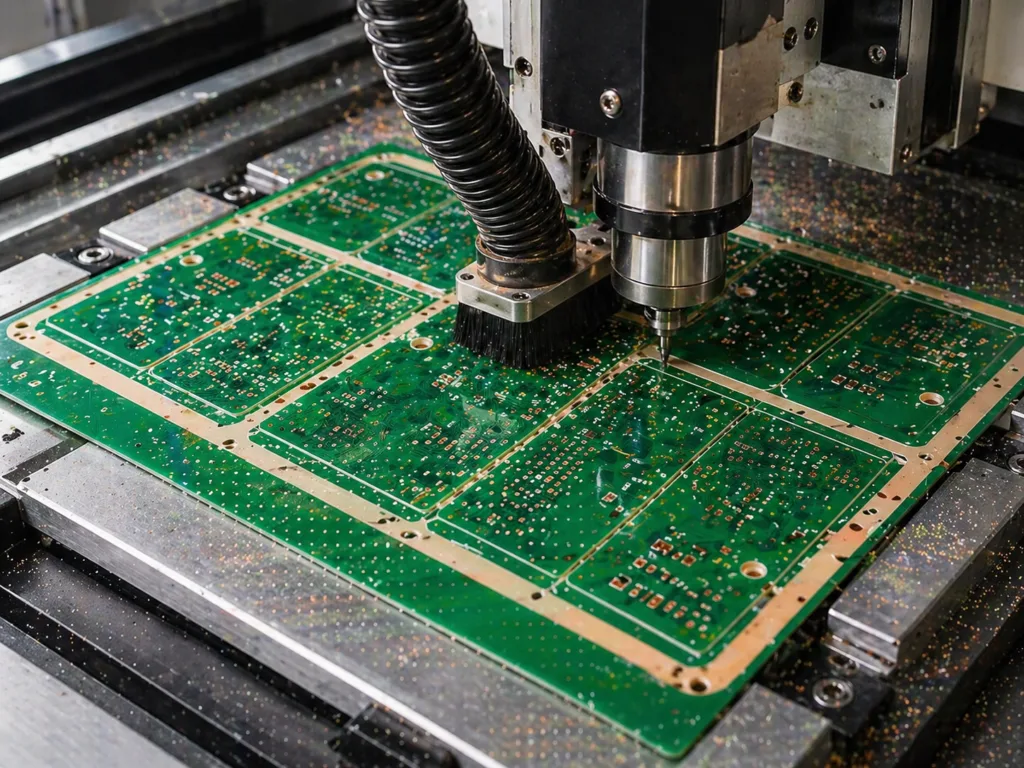
The current carrying capacity of a heavy copper PCB depends on copper thickness, trace width, temperature rise, and heat dissipation.
To estimate the maximum current, engineers need to review how much heat the PCB can handle under the applied current. This helps ensure stable performance and long-term reliability.
DFYC’s Heavy Copper PCB Capabilities
| Copper Weight | 2 oz, 3 oz, 4 oz, 6 oz, and higher copper weights |
| Design & Test | Current carrying capacity analysis, IPC Class 2 / IPC Class 3, AOI inspection, impedance control |
| Drill & Route | Blind vias, buried vias, stacked vias, laser drilling, CNC routing |
| Lamination | 1–30 layers, heavy copper multilayer PCB construction, vacuum lamination, sequential lamination |
| Surface Finish | ENIG, immersion silver, lead-free HASL, OSP |
| Materials | FR-4, High Tg materials, heavy copper laminates, Rogers materials |
DFYC Heavy Copper PCB Capabilities
DFYC has the engineering support and manufacturing experience to help you design and build heavy copper PCBs correctly from the start.
We can fabricate heavy copper PCBs with up to 6 oz copper for outer layers and up to 4 oz copper for inner layers. If you are not sure how much copper your project needs, contact us and our team will review your requirements.
Looking for a Heavy Copper PCB Quote?
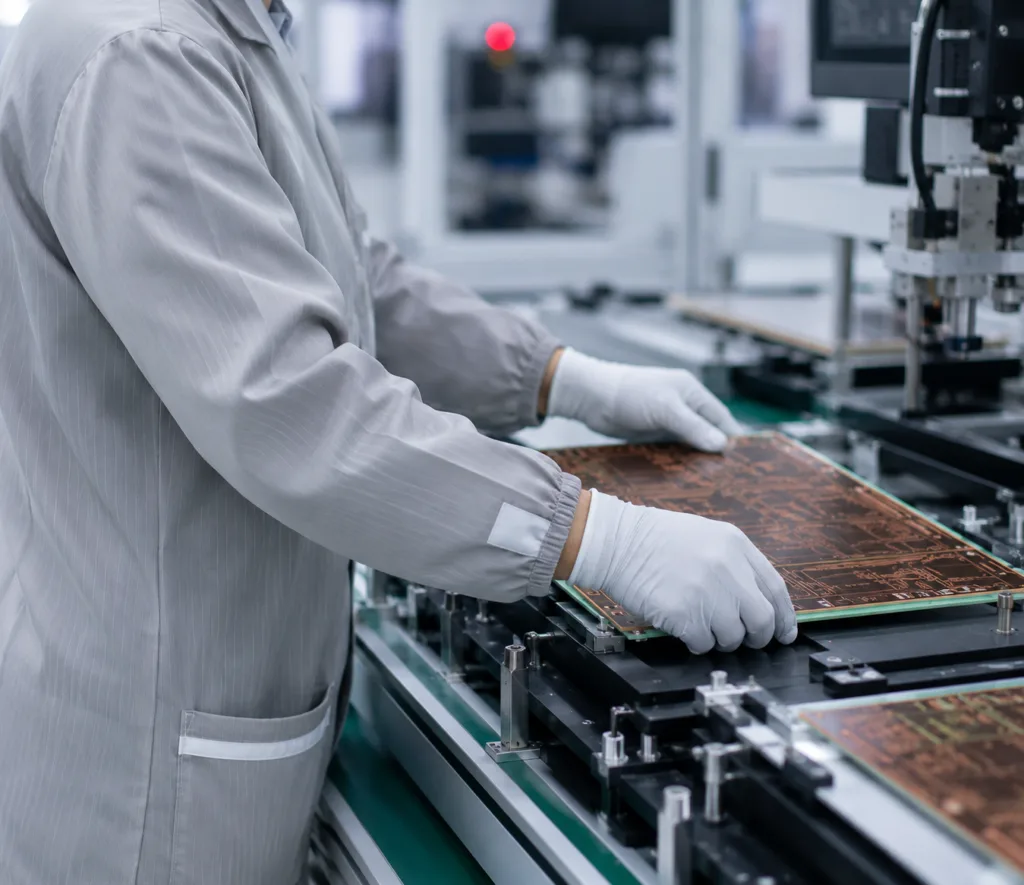
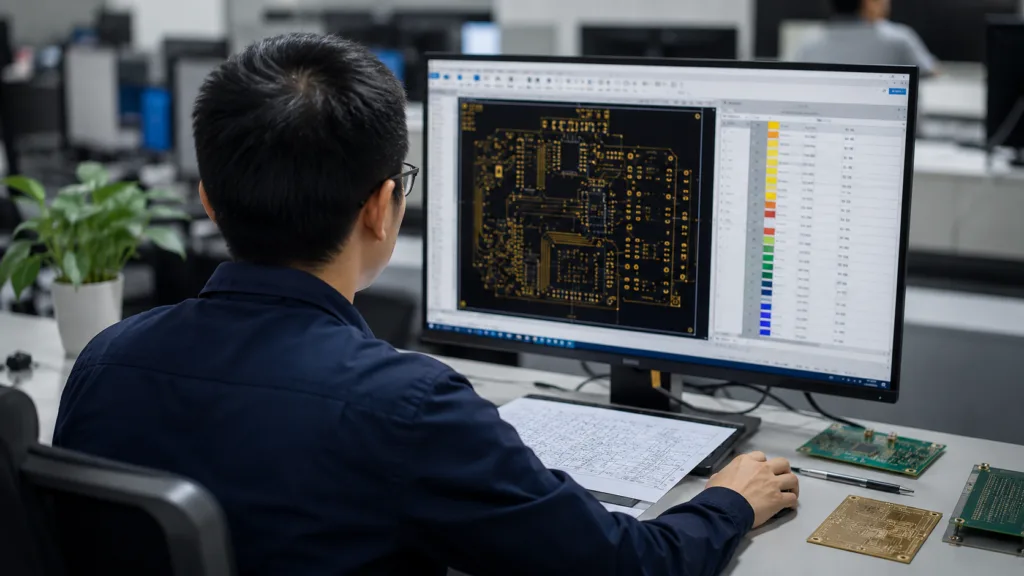
We use an efficient review process and engineering analysis to provide a quotation quickly. After you upload your project files, including Gerber files, fabrication drawings, stack-up details, or BOM information, our engineering team will review the data and evaluate the manufacturing requirements so we can better understand your PCB project.

Need More Info?
Contact us to discuss your next PCB project.