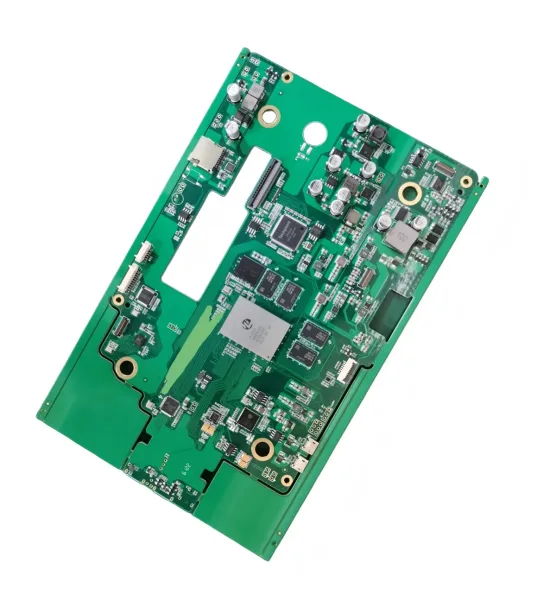
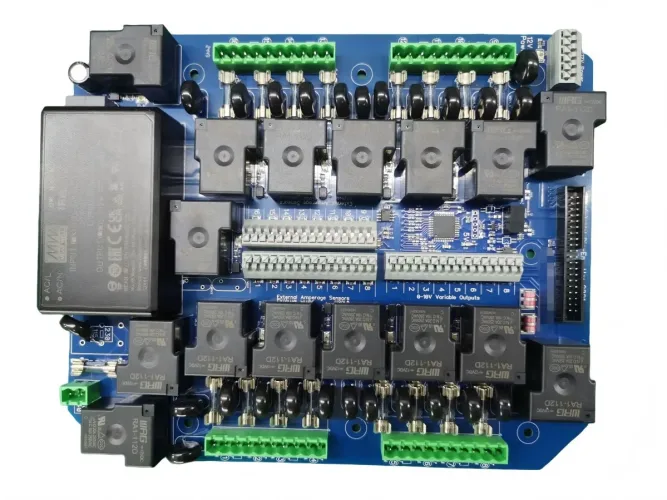
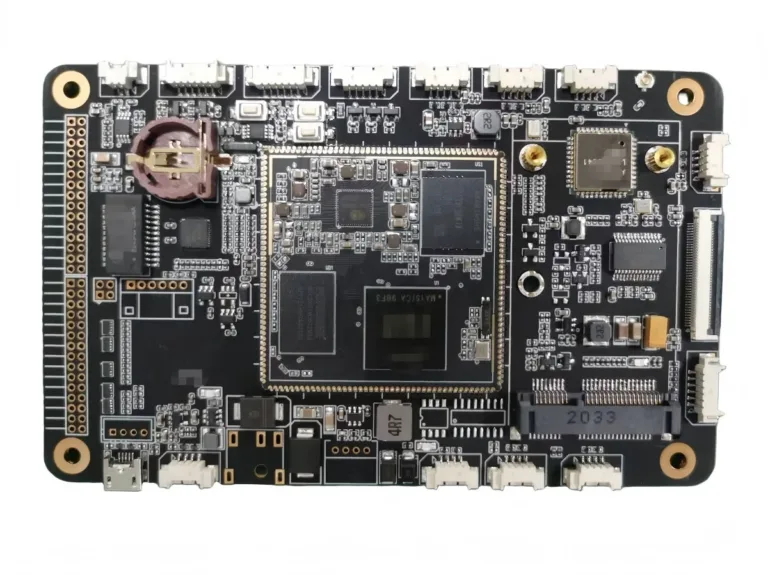
Buried resistors are embedded within the PCB layers. They save surface space and reduce the need for surface-mounted resistors without significantly increasing the finished board thickness.
During fabrication, the resistive material is laminated to a dielectric layer and subtractively etched to form planar resistors. The completed resistor layer is then laminated into the PCB stack-up.
Buried resistance can improve impedance matching, reduce noise and crosstalk, and support stable circuit performance. However, tight resistance tolerances can be difficult to maintain during etching and lamination. Processing conditions may also change the final resistor value.