High Tg PCBs

At high temperatures, standard PCB materials may soften, warp, or lose electrical stability. High Tg PCBs provide better heat resistance and dimensional stability.
High Tg PCBs provide better heat resistance and dimensional stability than standard PCB materials.

What Is a High Tg PCB?
Tg is the temperature at which the resin in a PCB begins to lose rigidity. A higher Tg helps the board remain stable during lead-free soldering and high-temperature operation.

PCB materials are commonly classified as:

  • Standard Tg: 130°C–140°C
  • Mid Tg: above 150°C
  • High Tg: 170°C or higher

High Tg PCBs provide better thermal stability, mechanical strength, and resistance to moisture and chemicals. Material selection should consider the operating temperature, assembly process, board structure, and application environment. The final Tg value should be confirmed in the laminate datasheet.

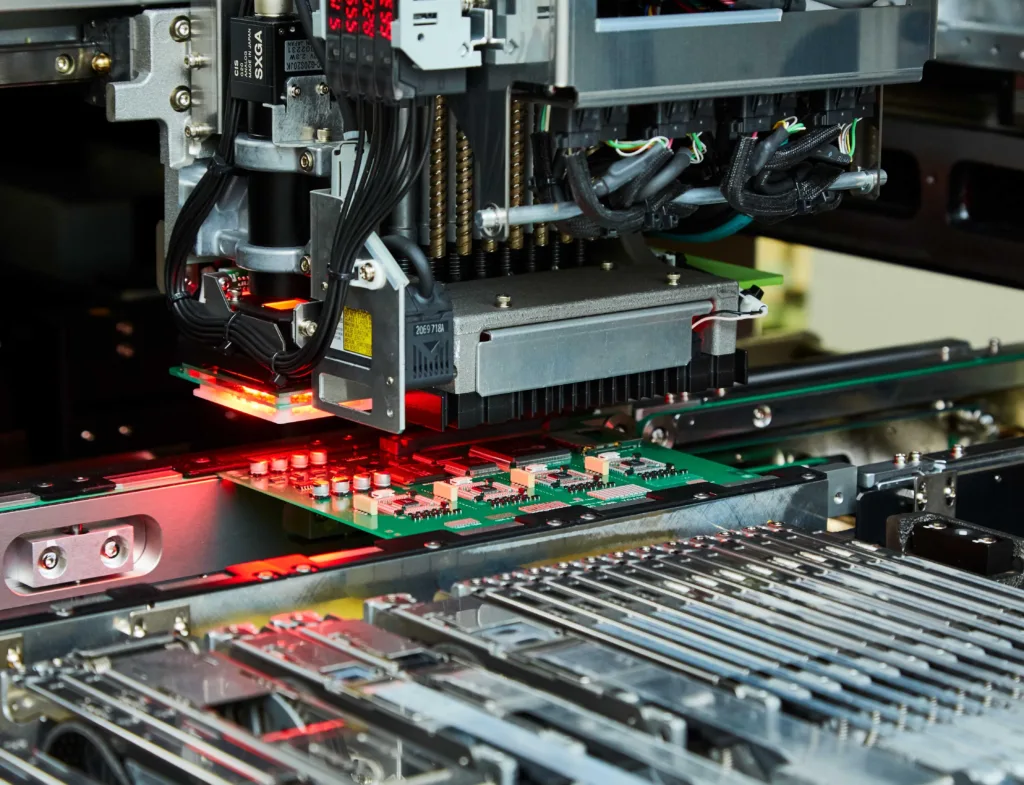
Automated equipment used for turnkey PCB assembly production
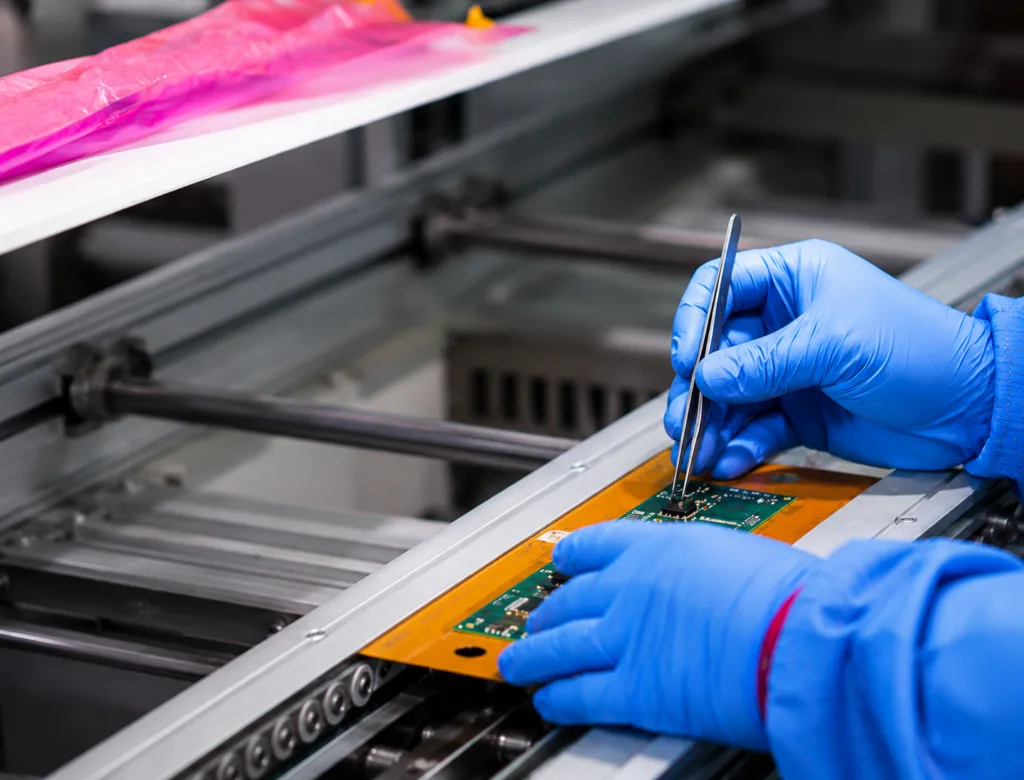
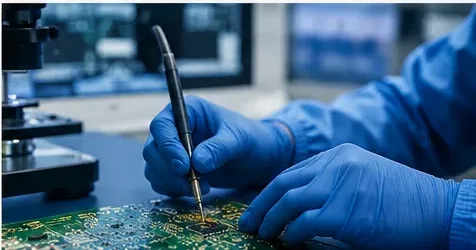
Technician inspecting a high Tg rigid PCB during production

High Tg Rigid PCBs

High Tg rigid PCBs use heat-resistant laminate materials to improve thermal stability and mechanical strength. Their solid structure maintains its shape and supports reliable operation in high-temperature environments.


High Tg Rigid PCB Applications

High Tg rigid PCBs are used in applications exposed to high temperatures, vibration, mechanical stress, or demanding operating conditions.

Common applications include:

High Tg Rigid PCB Capabilities

Topline Circuit supports high Tg rigid PCB fabrication and assembly using materials selected for the project’s thermal, electrical, and mechanical requirements.


Engineering & Testing

2 mil trace width, 3 mil air gap, IPC Class 2 and IPC Class 3, flying probe netlist testing, differential impedance, TDR testing, and automated optical inspection (AOI)

Drilling & Routing

Countersinks and counterbores, scoring, rout-and-retain, laser routing, blind and buried vias, and stacked vias

Lamination

1–30 layers, vacuum lamination, and sequential lamination

Plating & Surface Finishes

Conductive and non-conductive via fill, plated edges, castellated holes, plated milling cutouts, hard gold, soft bondable gold, ENIG, immersion silver, lead-free HASL, and OSP

PCB Materials

Flex and rigid-flex materials, adhesive and adhesiveless polyimide, RF and high-speed laminates, mixed FR-4/PTFE constructions, metal-backed boards, and heavy copper rigid and rigid-flex boards

Topline Circuit Fabrication Capabilities

Key Design Considerations for High Tg Rigid PCBs
High Tg PCB design should consider the operating temperature, thermal cycling, vibration, mechanical stress, and assembly process.

Key factors include:


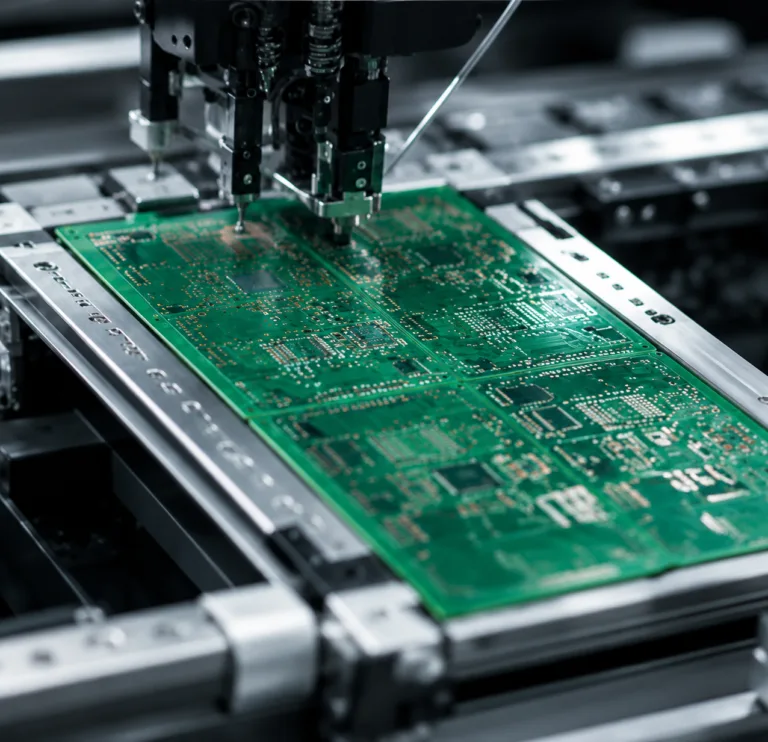
Automated PCB production for buried resistor applications

High Tg Flex PCBs

High Tg flex PCBs use flexible materials that support bending while maintaining thermal and mechanical stability. Common structures include:

  • Single-sided flex PCBs
  • Double-sided flex PCBs
  • Multilayer flex PCBs
  • Rigid-flex PCBs

HDI is not a separate type of flexible circuit. However, HDI features may be combined with flex or rigid-flex designs when higher routing density is required.


High Tg Flex PCB Applications

High Tg flex PCBs are used when a design requires flexibility, compact routing, and reliable performance under heat or repeated movement.

Common applications include:

  • Aerospace and defense electronics
  • Consumer electronics
  • Optoelectronic devices
  • Medical equipment
  • Industrial control systems
  • Wireless communication equipment
  • Automotive electronics
  • Wearable devices
Industrial robot using high Tg flex PCBs for compact electronics
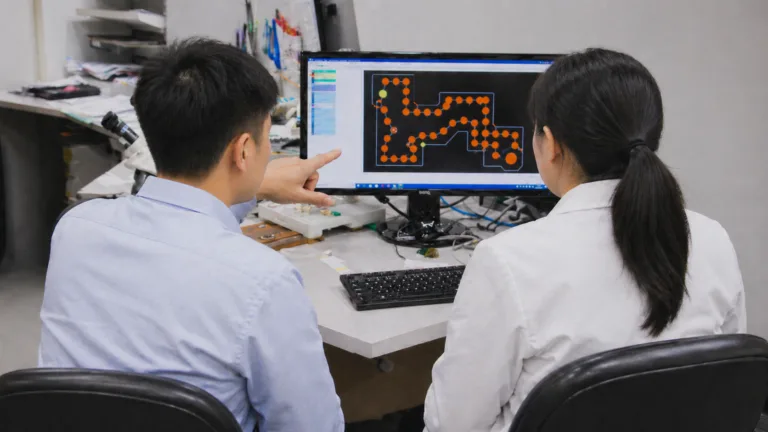
Engineers reviewing bend routing for a high Tg flex PCB

Key Design Considerations for High Tg Flex PCBs
High Tg flex PCB design should consider:

  • Operating temperature and environment
  • Static or dynamic bending requirements
  • Bend radius and flex direction
  • Material, adhesive, and copper selection
  • Coverlay and stiffener placement
  • Moisture removal before high-temperature assembly
  • Lead-free soldering temperature
  • Mechanical stress and vibration

These factors should be reviewed together to protect the flex circuit during assembly and operation.


Topline Circuit can help review the Tg value, laminate, stack-up, and assembly requirements for your project. Send your files and operating requirements

Engineer inspecting a PCB during material selection review

Ready to Start Your Project ?

Send us your files. We can help with PCB layout, fabrication, and assembly.