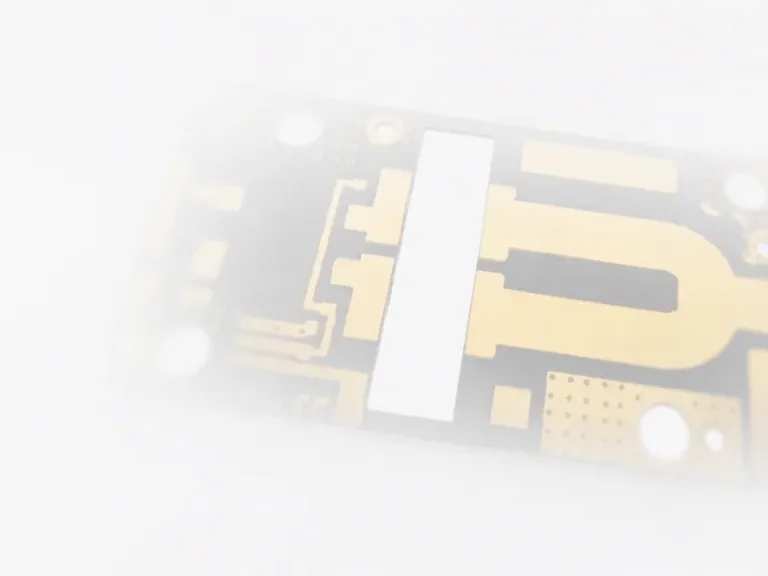
RF and Microwave PCB Fabrication &
Manufacturing
What Is an RF Microwave PCB?
An RF microwave PCB carries high-frequency signals. These signals usually range from megahertz to gigahertz. They are used in communication systems, radar systems, wireless devices, and other RF equipment.
These PCBs need suitable materials and a controlled stack-up. Trace width, spacing, impedance, and signal loss must also be checked. Our engineers review these details before production. This helps reduce signal problems and manufacturing risks.
RF Microwave PCB Design and Fabrication
Material selection depends on the frequency, signal loss, power, temperature, and other project needs. RF microwave PCBs need materials with stable electrical properties.
The stack-up, trace width, spacing, impedance, and copper thickness must be checked before production. Our engineers review these details with the customer. This helps reduce signal loss and manufacturing problems.
RF Microwave Materials & Applications
Many materials can be used for RF microwave PCBs. Material selection depends on the frequency, signal loss, impedance,
power, and stack-up.Common material manufacturers include:
RF Microwave PCB Applications
Common applications include:
- Communication systems
- Radar systems
- Wireless devices
- Automotive electronics
- Medical equipment
- Industrial equipment
Properties of RF Microwave Materials
RF microwave PCB materials need a stable dielectric constant (Dk), low dissipation factor (Df), and suitable coefficient of thermal expansion (CTE). These properties help control impedance, reduce signal loss, and improve stability.
Some RF materials can be combined with FR-4 in one stack-up. This can balance electrical performance and cost.
A low CTE can help:
- Improve stability at high temperatures
- Support fine-pitch components
- Improve layer alignment
- Reduce stress on plated vias
For humid environments, materials with low moisture absorption should be selected.
RF Microwave PCB Capabilities
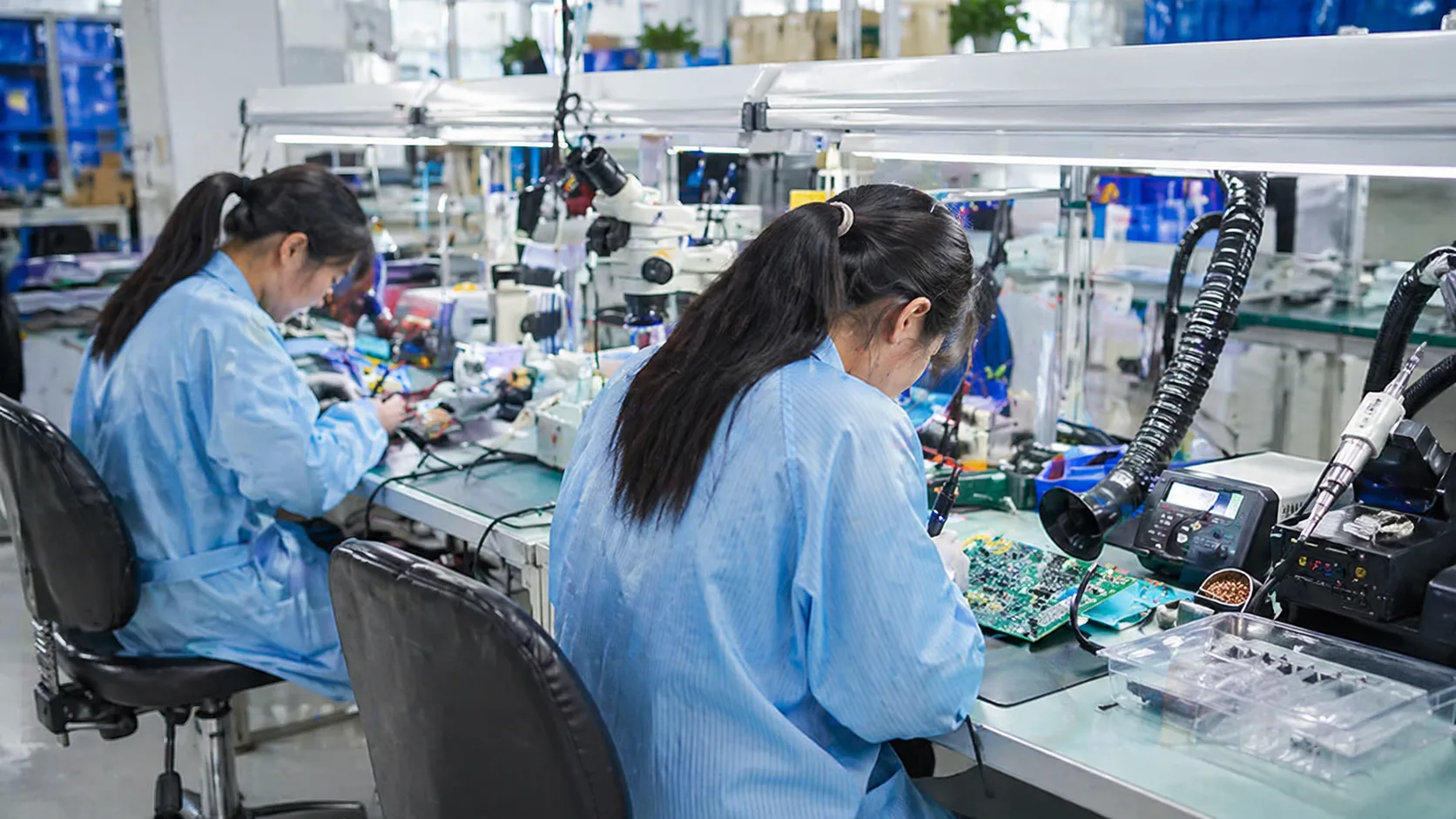
Topline Circuit supports RF microwave PCB projects from file review and fabrication to component sourcing and assembly.
Our capabilities include:
- Back drilling
- Controlled-depth drilling and milling
- Tight routing tolerances for qualified designs
Why Choose Topline Circuit?
- RF and microwave PCB fabrication
- Engineering support for design and manufacturing questions
- DFM review before production
- Material, stack-up, and impedance review
- PCB fabrication, component sourcing, and assembly
- ISO 9001 and UL certified
Need a RF Microwave PCB
Quote?
Ready to Start Your Project ?
See how our team can support your next PCB project.