
PCB Assembly Requirements for RF and Telecom Communication Boards
RF and telecom communicat

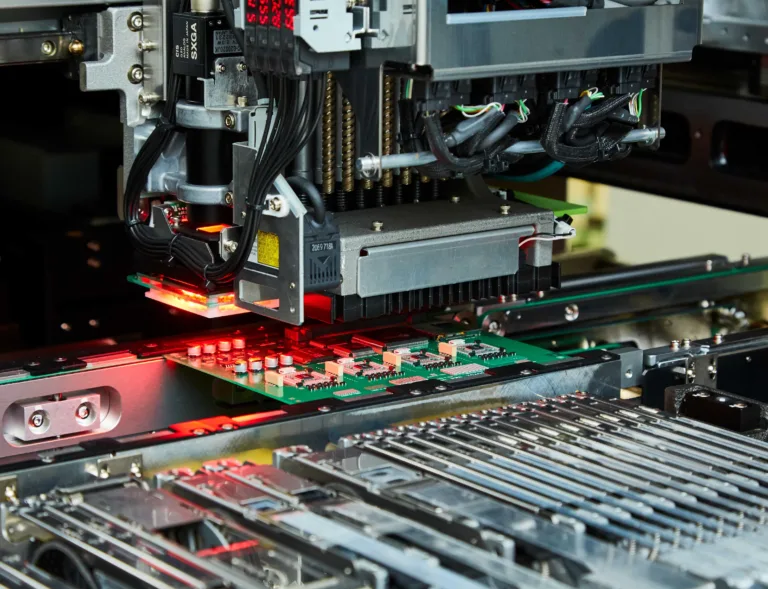
Turnkey PCB assembly brings PCB fabrication, component sourcing, assembly, inspection, and agreed testing activities together under one primary supplier. It can reduce the coordination work handled by engineering and purchasing teams, but the exact scope depends on the service model and project requirements.
The two main options are full turnkey PCB assembly and partial turnkey PCB assembly. Understanding how responsibility changes between these models helps buyers select the right approach for their component inventory, sourcing controls, and production plans.
Turnkey PCB assembly is a service model in which one supplier coordinates the main activities required to produce an assembled printed circuit board. Instead of placing separate orders for bare PCBs, components, and assembly, the customer works with one primary contact for the agreed manufacturing scope.
A typical project may include:
The customer still needs to provide complete and matching production files. These normally include Gerber and drill files for PCB fabrication, a BOM with manufacturer part numbers and quantities, and a pick-and-place file with component coordinates and rotations. Assembly drawings, approved substitutions, programming files, and test requirements should also be supplied when they apply to the project.
Turnkey does not automatically mean that every possible service is included. Box build, cable assembly, conformal coating, programming, functional testing, and special packaging should be clearly listed in the quotation when required. Confirming the scope before production helps prevent missing files, sourcing disputes, and schedule changes.
The main benefit of turnkey PCB assembly is simpler coordination. PCB fabrication, component purchasing, assembly, and inspection can be planned as connected activities instead of separate orders managed by different suppliers.
Practical benefits may include:
Turnkey PCB assembly may also reduce internal purchasing, freight, and supplier-management costs. However, it is not automatically less expensive or faster for every project. Total cost and schedule depend on PCB complexity, component availability, quantity, packaging, inspection, testing, file quality, and the services included in the quotation.
A clear quotation should separate PCB fabrication, components, assembly, tooling, inspection, testing, and logistics. This makes it easier to compare suppliers and understand which costs are included.
The main difference is responsibility for component sourcing. Full turnkey PCB assembly places most sourcing responsibility with the assembly supplier. Partial turnkey PCB assembly divides that responsibility between the customer and supplier.
Partial Turnkey PCB Assembly
In a partial turnkey project, the customer supplies selected components while the supplier sources the remaining BOM items and completes the agreed assembly work.
This model can make sense when the customer already owns usable inventory, has purchasing agreements, needs direct control over critical parts, or supplies programmed and proprietary devices. It also allows allocated or difficult-to-source parts to be consigned when the customer already has access to them.
Partial turnkey requires careful coordination. Customer-supplied components must arrive in the correct quantities, packaging, condition, and revision. Both parties should confirm attrition quantities, shortage responsibility, unused-part handling, substitution rules, and the exact division of sourcing responsibility before production.
Full Turnkey PCB Assembly
In a full turnkey project, the supplier sources the components and coordinates PCB fabrication, assembly, inspection, and agreed testing services. The customer provides the approved production data and defines manufacturer, sourcing, traceability, date-code, and substitution requirements.
This model can make sense when the customer does not hold component inventory, has limited internal purchasing resources, or wants one supplier to coordinate the main manufacturing activities. It reduces the customer’s sourcing workload, but it also places more dependence on the supplier’s purchasing controls and communication.
Alternative parts should not be used without customer approval unless acceptable substitutions have already been documented.
| Item | Partial Turnkey | Full Turnkey |
|---|---|---|
| Component sourcing | Shared by the customer and supplier | Managed mainly by the supplier |
| Customer inventory | Selected existing parts can be used | Usually not required |
| Purchasing workload | Shared | Lower for the customer |
| Component control | Direct control of supplied parts | Controlled through the approved BOM and sourcing requirements |
| Coordination need | Requires accurate consigned-parts management | Coordinated through one primary supplier |
| Main risk | Missing, late, or unsuitable customer-supplied parts | Dependence on supplier sourcing and BOM controls |
| Typical fit | Existing inventory or controlled components | Supplier-managed sourcing and production coordination |
Neither model is automatically better. The correct choice depends on the customer’s inventory, purchasing resources, component controls, and project requirements.
Choose partial turnkey PCB assembly when you already own usable components or need direct control over selected parts. Choose full turnkey PCB assembly when you want the supplier to manage component sourcing and coordinate the main production stages.
Before deciding, review:
The quotation should clearly define what the customer supplies, what the manufacturer sources, and which fabrication, assembly, inspection, testing, and logistics services are included. This is more important than the label applied to the service.
Topline Circuit supports full turnkey, partial turnkey, and consigned PCB assembly projects. The appropriate model depends on your available inventory, sourcing requirements, and how much of the production process you want one supplier to coordinate. Use the Contact Us page to share your project requirements and request a review of the manufacturing scope.
Our team can help you evaluate the board structure, materials, component assembly, and testing requirements based on your product’s operating environment and performance needs.
RF and telecom communicat

Choosing a PCBA manufactu