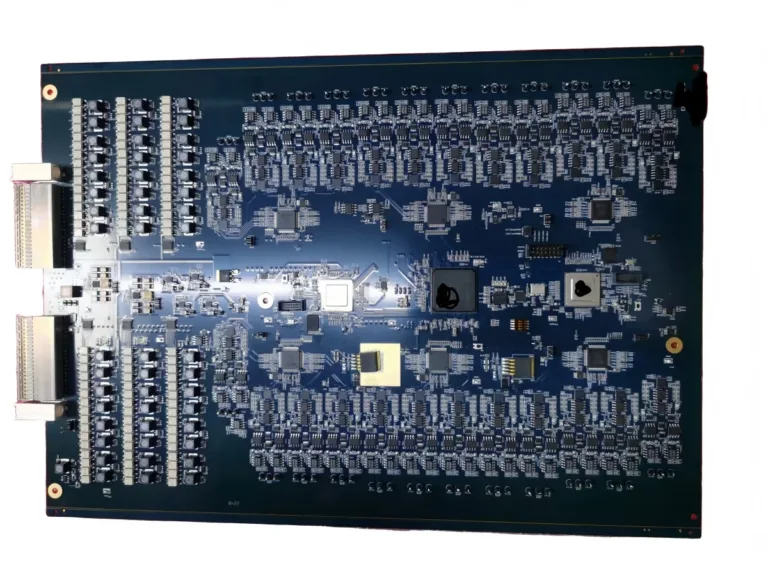
PCB Assembly Requirements for RF and Telecom Communication Boards
RF and telecom communicat


Choosing a PCBA manufacturer is not only a price decision.
A low quotation may look useful at first. It may also miss important work. The BOM may have unclear part numbers. The pick-and-place file may not match the latest board revision. The assembly drawing may miss polarity notes. Testing may be expected, but the test scope may not be defined.
These gaps can create production questions. They can also cause rework and quotation changes.
A complete PCBA processing project needs file review, BOM checking, assembly planning, inspection, and testing discussion. Buyers should confirm these points before they compare suppliers.

Different PCBA projects need different supplier support.
A simple control board may only need standard SMT work. A dense industrial PCBA may need BGA inspection, test planning, and strict BOM control. A prototype build also has different goals from a batch production project.
| Project Type | Main Risk | What Buyers Should Check |
|---|---|---|
| Prototype PCBA | File errors and design changes | DFM feedback and first article review |
| Turnkey PCBA | Component sourcing risk | BOM accuracy and substitute rules |
| Consigned PCBA | Customer-supplied part risk | Kitting control and shortage handling |
| BGA PCBA | Hidden solder joint risk | X-ray inspection and rework control |
| Industrial PCBA | Stability and repeatability | Testing scope and inspection records |
| High-density PCBA | Placement and soldering risk | SMT control and assembly review |
If the project is still under design review, Prototype PCB Assembly may be the right path. If the supplier must source components, Turnkey PCB Assembly should be discussed early. If the board uses fine-pitch parts, SMT Assembly capability matters more.
A supplier may fit one project type. The same supplier may not fit another project type.
PCBA work starts with project files.
A supplier should not quote a complex assembly project from photos only. The buyer should send Gerber files, drill files, BOM, pick-and-place file, assembly drawing, test requirements, and quantity details.
The supplier should check these files before production planning.
BOM review
The BOM should include clear part numbers, quantities, reference designators, package data, and approved substitutes. Missing part numbers can create sourcing errors. Unclear package data can create footprint mismatch.
Pick-and-place file review
The placement file should match the latest board revision. The supplier should check coordinates, rotation, reference designators, and board origin.
Assembly drawing review
The assembly drawing should show polarity, pin 1 direction, special mounting notes, and parts not installed. This helps prevent orientation and assembly errors.
PCB design support also matters here. Footprint issues, pad design, polarity marks, and test access can affect assembly. A good supplier should raise these questions before production.
DFM review should cover more than bare board fabrication.
For PCBA projects, DFM review should also check assembly risk. The supplier should review component spacing, pad size, solder mask clearance, stencil risk, test access, and inspection access.
PCB manufacturing quality also affects assembly results. A manufacturable bare board can still create PCBA risk. The buyer should check both board readiness and assembly readiness.
Common issues include:
These problems are easier to fix before assembly starts. They become more expensive after production release.
A strong supplier should explain the issue. The supplier should also explain the production impact.
Many PCBA projects depend on stable SMT process control.
The supplier should explain how it reviews solder paste, component placement, reflow soldering, AOI, and first article inspection. This is where SMT Assembly capability becomes important.
A simple board may need standard SMT review. A dense board needs deeper process checking. Fine-pitch ICs, QFN packages, RF shields, and small passives increase process risk.
Buyers should ask these questions:
The answers should match the board design. A generic answer is not enough for a complex PCBA.
Some solder joints cannot be checked by visual inspection.
BGA, QFN, LGA, and bottom-terminated parts have hidden joints. AOI can check many visible defects. It cannot fully check hidden joints under BGA packages.
If the board uses BGA packages, BGA Assembly requirements should be discussed before production.
Buyers should ask:
BGA risk should not be treated as a small detail. Hidden solder problems may pass visual inspection. They may appear during testing or later use.
BOM responsibility must be clear before quotation.
In a turnkey project, the supplier sources the components. In a consigned project, the buyer provides the parts. Some projects use both models.
Turnkey PCB Assembly needs clear sourcing rules. The supplier should not replace parts without approval.
| Area | Turnkey PCBA | Consigned PCBA |
| Component sourcing | Supplier manages sourcing | Buyer provides parts |
| Part availability | Supplier checks supply risk | Buyer controls stock |
| Substitute approval | Buyer approval is needed | Buyer controls rules |
| Shortage handling | Supplier reports alternatives | Buyer provides missing parts |
| Kitting risk | Lower for buyer | Higher for buyer |
| BOM control | Shared review needed | Buyer data must be clean |
Buyers should define substitute rules early. If substitutes are allowed, the BOM should list approved part numbers or AVL rules.
This is important for industrial, medical, communication, and server electronics. A wrong substitute can affect testing, reliability, or customer approval.
A supplier should explain the assembly workflow.
The buyer does not need every internal detail. The main steps should still be clear. Assembly Process is useful when buyers want to understand how the project moves through production.
A clear workflow should include:
A supplier with no clear process creates risk. The buyer may not know what is included in the quotation.
Inspection should match the PCBA design.
A simple board may need AOI and visual inspection. A BGA board may need X-ray. A board with firmware may need programming and functional testing.
Assembly Capabilities should be reviewed when the project needs more than basic placement.
| Inspection Method | What It Checks | When It Matters |
| SPI | Solder paste position and volume | Fine-pitch SMT work |
| AOI | Placement, polarity, visible solder defects | Most SMT assemblies |
| X-ray | Hidden solder joints | BGA, QFN, LGA, hidden pads |
| ICT | Electrical continuity and component checks | Boards with test access |
| Functional testing | Product-level operation | Boards with firmware or interfaces |
| First article inspection | First build confirmation | New projects and revisions |
Buyers should not accept “inspection included” as a full answer. The supplier should explain the inspection method. The supplier should also explain what the method cannot check.
Testing changes the quotation scope.
Some buyers ask for assembly first. Later, they ask for programming, testing, cables, fixtures, or reports. This creates cost gaps. It also creates production planning gaps.
A PCBA manufacturer cannot quote testing accurately without test information.
Buyers should prepare:
If testing is not required, say it clearly. If testing is required, define the scope before quotation.
Assembly inspection and functional testing are different. Buyers should not treat them as the same item.
Prototype assembly should prepare the next build.
The first build may reveal BOM changes, placement issues, connector problems, test access gaps, firmware issues, or functional test failures. These findings should be recorded.
Prototype PCB Assembly helps buyers review the design before the project moves to batch production.
After a prototype build, buyers should check:
A prototype order should not be treated as only a sample. It should help the buyer reduce risk before the next build.
Two PCBA quotations may not include the same work.
One supplier may include BOM review, sourcing, AOI, X-ray for BGA, first article review, programming, testing, and reports. Another supplier may include only basic SMT placement.
The lower price may not be lower after missing items are added.
| Quotation Item | Why It Matters | Buyer Check |
| BOM sourcing | Affects cost and supply risk | Confirm turnkey or consigned model |
| DFM review | Finds file and assembly issues | Ask what files are checked |
| SMT scope | Affects placement and soldering risk | Confirm process and inspection steps |
| BGA inspection | Affects hidden joint risk | Confirm X-ray if needed |
| Functional testing | Confirms product operation | Define test procedure and criteria |
| Reports | Help trace build issues | Ask what records are provided |
A fair comparison needs the same scope. Otherwise, buyers are comparing incomplete prices.
Some warning signs appear before production starts.
A supplier may offer a low price. The same supplier may avoid technical questions. This can create risk later.
Watch for these signs:
Good questions before production are not a problem. They usually reduce later risk.
A complete file package helps suppliers quote correctly.
Incomplete files force suppliers to make assumptions. These assumptions make quotations harder to compare.
Buyers should prepare:
Mark special components clearly. This includes BGA, QFN, RF shields, connectors, press-fit parts, and through-hole parts.
These parts may affect inspection, soldering, testing, and packing.

RF and telecom communicat


Choosing a PCBA manufactu