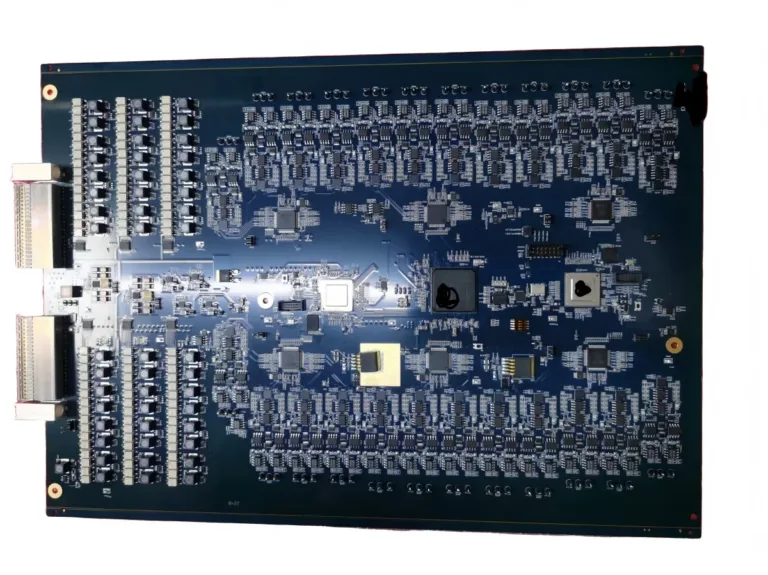
PCB Assembly Requirements for RF and Telecom Communication Boards
RF and telecom communicat



When preparing for PCB production, hardware teams must decide who will handle component procurement. This decision defines the assembly model and directly impacts project timelines, supply chain risks, and overall costs. The two primary options are turnkey PCB assembly and consigned PCB assembly.
Understanding the difference between turnkey and consigned PCB assembly helps buyers allocate responsibilities correctly. A low initial quotation does not help much if the chosen model creates hidden supply chain bottlenecks. This guide breaks down the responsibilities, risks, and decision factors for each model.
In a turnkey PCB assembly model, the manufacturer takes full responsibility for the entire production process. This includes sourcing the bare printed circuit boards, purchasing all electronic components, and performing the SMT and through-hole assembly.
Complete Supply Chain Management The manufacturer’s engineering and procurement teams review the Bill of Materials (BOM), identify alternate components if necessary, and purchase parts from authorized distributors. The buyer only needs to provide the design files and approve the final BOM.
Single Point of Accountability Because the manufacturer handles both the materials and the labor, they are fully accountable for the final product’s quality. If a component fails during testing due to a sourcing error, the manufacturer resolves the issue without blaming the buyer’s supply chain. You can review our Turnkey PCB Assembly services for more details on how this model supports complex projects.
In a consigned PCB assembly model, the buyer purchases and supplies all the electronic components to the manufacturer. The manufacturer only provides the assembly labor, equipment, and testing services.
Buyer-Controlled Procurement The buyer’s supply chain team sources every resistor, capacitor, and integrated circuit. They ship the complete component kit to the factory before production begins.
Strict Component Control This model is often used when a company has existing inventory, uses highly customized or proprietary components, or works with strict aerospace and defense sourcing requirements where the buyer must control every step of the supply chain.
Choosing the right model requires a clear understanding of who owns each phase of the project. The following table outlines the primary differences in responsibility and risk.
| Comparison Area | Turnkey PCB Assembly | Consigned PCB Assembly |
|---|---|---|
| Component sourcing | Manufacturer responsibility | Buyer responsibility |
| Inventory ownership | Depends on project agreement | Buyer-managed and owned |
| BOM control | Requires approved sourcing rules | Full buyer control |
| Project preparation | Manufacturer handles procurement | Buyer must deliver complete kits |
| Shortage management | Manufacturer finds alternates | Buyer must resolve delays |
| Suitable project type | Projects needing integrated support | Projects with strict supply chain control |
The true cost of PCB assembly extends beyond the per-unit labor rate. Buyers must evaluate how each model handles supply chain volatility.
Hidden Costs in Consigned Assembly While consigned assembly may appear cheaper on the initial labor quotation, it transfers significant financial risk to the buyer. If a component is obsolete, the buyer must pay for expedited shipping to find a replacement. Furthermore, any components left over after production become the buyer’s dead inventory.
Risk Mitigation in Turnkey Assembly Turnkey manufacturers leverage their purchasing volume to secure better component pricing and availability. If a specified part is out of stock, their engineering team can propose a drop-in replacement for the buyer’s approval. This prevents production delays caused by missing parts, though the manufacturer may include a procurement management fee in the quotation.
Component authenticity is critical for medical, automotive, and industrial applications. The assembly model dictates how traceability is managed.
Traceability in Turnkey Projects Reputable turnkey manufacturers source components exclusively from authorized franchises. They maintain strict chain-of-custody documentation and can provide Certificates of Conformity (C of C) for every reel of components used on the board. If a counterfeit part enters the line, the manufacturer assumes the liability.
Traceability in Consigned Projects In a consigned model, the manufacturer will inspect the incoming components for basic visual defects and count the quantities. However, they cannot guarantee the authenticity of parts supplied by the buyer. If a consigned component fails due to being counterfeit or damaged during shipping, the manufacturer is not responsible for the defect. Proper PCBA processing requires clear incoming inspection protocols regardless of the model.
The decision between turnkey and consigned assembly depends on your team’s capabilities and the project’s specific requirements.
When to Choose Turnkey Assembly Turnkey assembly is the best choice for companies that want to focus on design and engineering rather than supply chain management. It is highly recommended for:
When to Choose Consigned Assembly Consigned assembly is suitable for organizations with mature supply chain operations. It is typically used for:
Regardless of the assembly model, the manufacturer requires accurate design data to begin the engineering review.
Essential Design Files
Additional Requirements for Consigned Projects If you choose the consigned model, you must also provide a detailed packing list, moisture sensitivity level (MSL) handling instructions, and clear guidelines for how to manage component reels and trays. Delivering incomplete or poorly packaged kits will delay the production start. You can review our Assembly Capabilities to ensure your components match our equipment requirements.

RF and telecom communicat

Choosing a PCBA manufactu